
What is Imposter Syndrome?
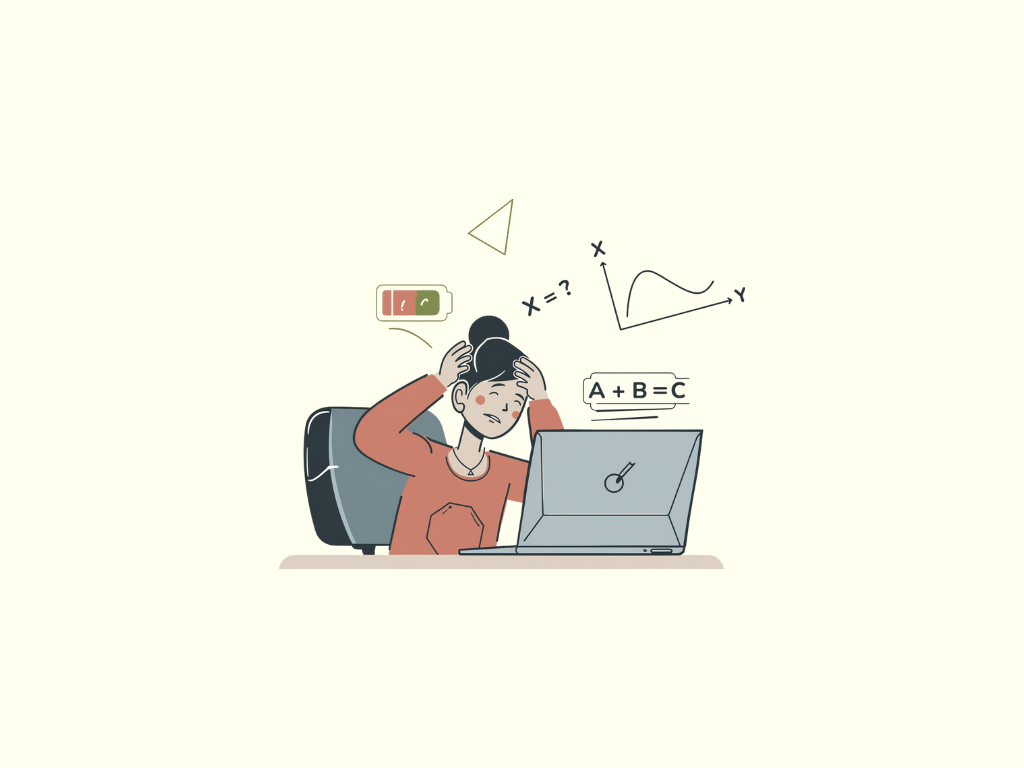
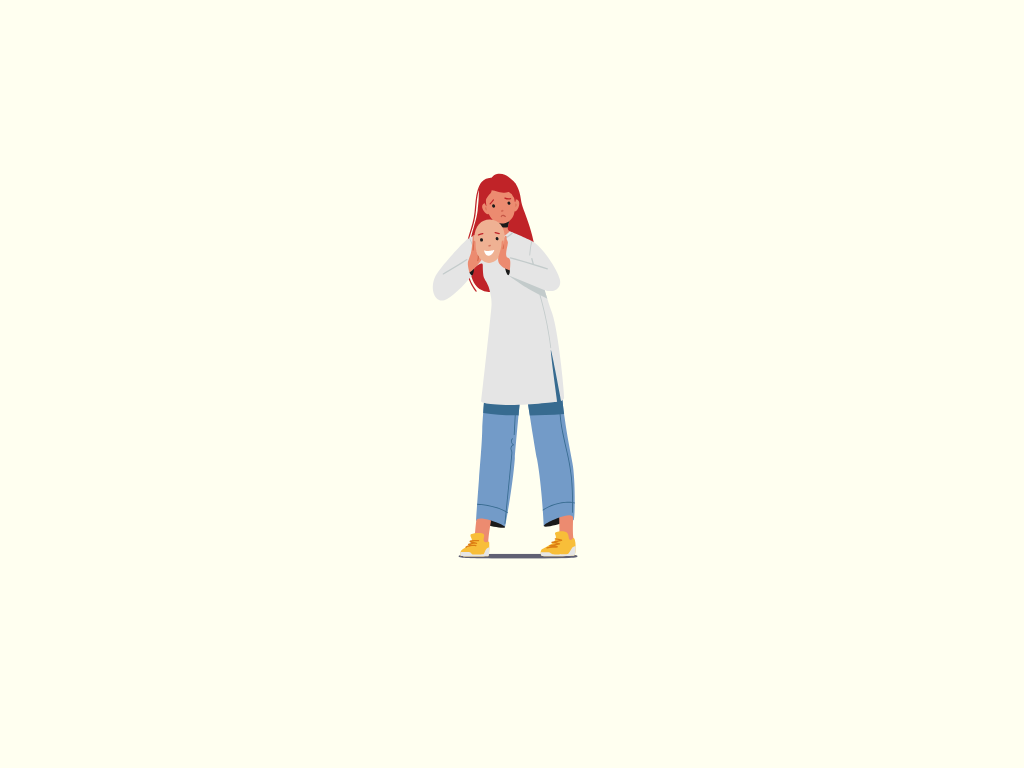
Imposter Syndrome is tied to the belief that you got to where you are today by luck rather than skill. Typically, people that experience Imposter Syndrome believe that they are inadequate and will be discovered as frauds whether that be at work, school or in any environment where the individual feels they do not fit in. Because of this constant worry that the individual will be discovered as a fraud, the individual experiences large amounts of stress that can impact their ability to perform at the role they believe they are a fraud in, causing confirmation bias. The individual will then seek out and focus on the negatives rather than look for positives to combat their negative perception of themselves. This can lead to poor self-confidence, perfectionism and fear of failure that can have negative consequences for overall wellbeing.
Before we look at who Imposter Syndrome affects, I will note that Imposter Syndrome is not technically a disease or disorder as we would assume with the title of ‘syndrome.’ This stipulation leads some to label the experience as Imposter Phenomenon. This is a more neutral description as Imposter Syndrome is more closely tied to attitudes, behaviours and emotions rather than a physical ailment.
Who does Imposter Syndrome Affect?
No one is immune to the effects of Imposter Syndrome. In fact, over 70% of people will experience Imposter Syndrome at some point in time, making Imposter Syndrome a very common phenomenon. Although Imposter Syndrome can affect anyone, its likelihood to present typically decreases with age. We see that age tends to correlate with experience and the more experience an individual has, the less likely they are to encounter Imposter Syndrome. However, one instance where Imposter Syndrome can creep back in is during life transitions, which we know can occur at any age.
While Imposter Syndrome can affect anyone, there are some groups of people that are more susceptible to the effects of Imposter Syndrome. One of these groups is women. Unfortunately, society stereotypes women to be less capable causing them to attribute their success to outside sources, like luck, instead of their own skills and knowledge. Individuals belonging to minority groups are also more susceptible to Imposter Syndrome. Individuals from minority groups can also face stereotyping that causes those that step out of the stereotypical norm to feel as though they are an imposter. Oppression toward minority groups also exacerbates experiences of Imposter Syndrome. A trait that can make people more susceptible to Imposter Syndrome is tying self-worth to achievements, which is commonly seen amongst lawyers and doctors.
How do I cope with Imposter Syndrome?
Since Imposter Syndrome is such a common experience, many coping strategies have been created and tested to combat Imposter Syndrome effectively. Below is a list of strategies that can help mitigate the effects of Imposter Syndrome:
- Keeping an achievement diary
- Setting SMART goals
- Looking to role models for inspiration
- Having good, supportive mentorship
- Checking the facts
- Having a “Fake it ‘til you make it” mentality
Ready to take on Imposter Syndrome? Serebro Health provides workshops and therapy designed to help you challenge your inner critic, manage the experience, and develop the confidence to excel.
FAQ
What is the Imposter Syndrome experience like?
Common experiences associated with imposter syndrome include self-doubt, nervousness, and burnout.
Who does imposter syndrome affect?
Imposter syndrome can affect anyone. Over 70% of people will experience imposter syndrome at one point in their life.
How do I know if I’m experiencing imposter syndrome or if I’m really a fraud?
Check the facts. You’re likely experiencing imposter syndrome if there are no external indicators, like a poor performance review or failed test, to signify that you aren’t succeeding.
References
Feigofsky, S. (2022). Imposter syndrome. HeartRhythm Case Reports, 8(12), 861.
Gadsby, S. (2022). Imposter syndrome and self-deception. Australasian Journal of Philosophy, 100(2), 247-261.
Mullangi, S., & Jagsi, R. (2019). Imposter syndrome: Treat the cause, not the symptom. Jama, 322(5), 403-404.