Losing a pet is a real and profound grief, one that's too often met with "it was just an animal" instead of the compassion it deserves.
This workshop offers a space to honor that bond and begin healing. Join Hilary MacKenzie, RSW and certified pet loss bereavement specialist at Kanata-Stittsville Counselling, for a warm, trauma-informed session on navigating the loss of a beloved animal companion, from anticipatory grief and the difficult decisions that come with caring for an aging or ill pet, to understanding your grief after loss, and honoring their memory through rituals, tributes, keepsakes, and memorials.
Two dates, same session. Come to whichever one fits your week.
A gentle, guided hour, no one is asked to share their story.
What the human–animal bond actually is, and why losing it can hit as hard as any other loss; even when the people around you don't see it that way.
Euthanasia timing, treatment choices, the moment you weren't there. Where that guilt comes from and how to set it down.
Disenfranchised grief, loss that others don't recognize, and how to protect your own mourning when sympathy is thin.
Ways to complete a conversation that ended before you were ready.
Recognizing and understanding anticipatory grief & how having to watch our pets change, make decisions, & assess quality of life is a way of honouring our pets.
Signs your grief is moving, signs it's stuck, and what individual support can offer if you want it.
You don't need any experience with therapy to attend, and you can keep your camera off the whole time.
Recently, or years ago. Grief doesn't expire, and it's never too late to attend.
If your pet is aging or unwell and you're already grieving, you belong here too.
Including parents looking for language to help a child understand the loss.
You don't need a diagnosis or a crisis to want better tools.
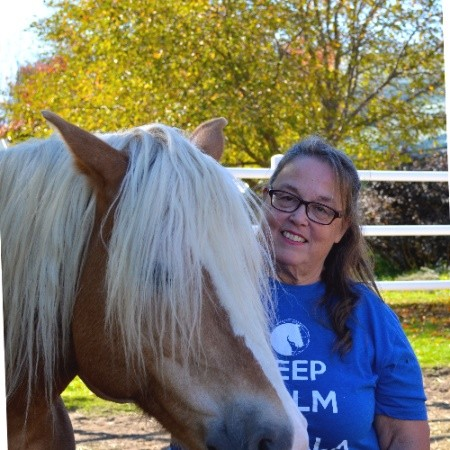
Hilary MacKenzie spent 22 years working for the federal government, primarily at Veterans Affairs, before becoming a social worker. She holds a Diploma in Animal Health Technology, a BA in Psychology, and an MSW, and has worked as a social worker for 25 years. She is also a Certified Pet Loss Bereavement Specialist, bringing both her clinical background and her animal health training to her work with grieving pet owners.
Live on Google Meet. Questions welcome in the chat. You never have to speak or turn your camera on.
One hour, including time for questions.
Free to attend.
Sent to everyone who registers. Only the presenter appears; attendees are never visible or audible.
No. This is a guided session, not a sharing circle. You can attend entirely as a listener, and questions go through the chat if you'd like to ask one.
Neither. It's an educational session about grief and pet loss. It isn't psychotherapy, counselling, or crisis support, and attending doesn't create a client relationship. If you'd like individual support afterward, we can point you in the right direction.
No. Only the facilitator is captured. Attendees are not visible or audible in the recording, and the recording is sent only to people who registered.
No. Grief that was never given room often waits. People come to this session years after a loss, and the material applies just as well.
Yes. Anticipatory grief is real grief, and the session covers decision-making and guilt directly, which is often what weighs heaviest before a loss.
That's expected and completely welcome. Your camera stays off unless you turn it on, and you're free to step away and rejoin whenever you need to.
Nope! The two sessions cover the same material, so pick whichever night works better.
Register anyway. The recording goes to everyone who signs up, whether or not you attend live.
One hour, held gently, with someone who does this work every day.
This workshop is educational, not clinical care. It is not psychotherapy, assessment, diagnosis, or crisis support, and attending does not create a client relationship with Serebro Health or Kanata-Stittsville Counselling.
If you are in crisis or thinking about harming yourself, call or text 9-8-8 (Suicide Crisis Helpline, available 24/7 across Canada) or go to your nearest emergency department.