Substance use touches more lives than we often admit, and it’s rarely just about willpower. In this judgment-free workshop, Melanie Renshaw, Registered Psychotherapist (Qualifying), explores how stress, anxiety, and trauma can fuel substance use and what helps when cravings and urges show up.
Drawing on her experience in shelter and crisis settings and her training in concurrent disorders and DBT, Melanie shares practical coping strategies you can use right away. Whether you’re reflecting on your own relationship with substances or supporting someone you care about, you’ll leave with resources and a clear path to ongoing support.
Two dates, same session. Come to whichever one fits your week.
Here's the ground we'll cover in the hour.
Substance use usually starts as a way to cope with something. We’ll look at what it’s doing for you before asking how to change it.
The patterns behind use make more sense once you can see what sets them off. Learn to spot the loop before you’re in the middle of it.
Practical strategies, drawn from DBT, for riding out an urge when it hits: at home, at work, or at the end of a long day.
What helps, what tends to backfire, and how to look after yourself while you’re showing up for them.
Resources you can use right away, and a clear picture of what ongoing support looks like when you’re ready for it.
You don't need any experience with therapy to attend, and you can keep your camera off the whole time.
You don’t need to call it a problem, or have a plan to quit; just want to understand it better.
Watching someone you love struggle with substances carries its own weight. You belong here too.
Serving members, veterans, and spouses, where postings, time apart, and operational stress can shape how people cope.
People who carry hard shifts home, and sometimes reach for something to switch off afterward.
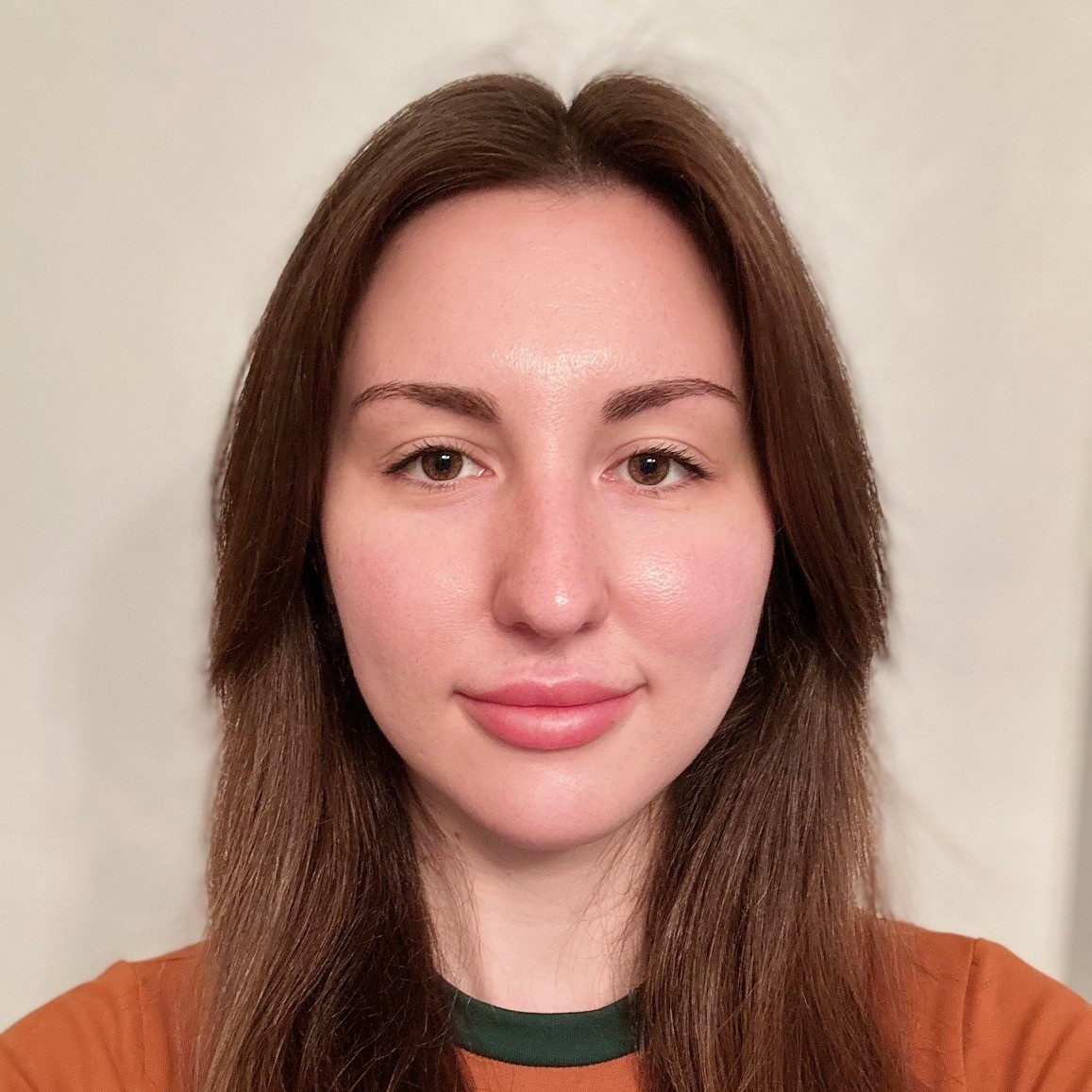
Melanie is a Registered Psychotherapist (Qualifying) at Serebro Health. She holds an MA in Counselling Psychology and specializes in addictions, anxiety, trauma, and imposter syndrome, with additional training in concurrent disorders, DBT, and Internal Family Systems.
Drawing on her background in shelter, crisis centre, and addictions work, she believes substance use makes more sense once you understand what it’s doing for you, and that no one should have to face it alone.
Live on Google Meet. Questions welcome in the chat. You never have to speak or turn your camera on.
One hour, including time for questions.
Free to attend.
Sent to everyone who registers. Only the presenter appears; attendees are never visible or audible.
No. This is an educational session, not psychotherapy, assessment, or crisis support. Nothing shared in the workshop creates a therapeutic relationship. If you'd like individual support, you can book a free consultation with our team separately.
Not at all. The workshop is open to anyone, anywhere in Canada.
Only if you choose. Cameras and microphones stay off by default, and questions can be typed into the chat. The session is recorded, but only the presenter is captured. Attendees do not appear in the recording and are never audible in it.
Register anyway. The recording goes to everyone who signs up, whether or not you attend live.
Nope! The two sessions cover the same material, so pick whichever night works better.
Free to attend, and the recording comes to you either way.
This workshop is educational, not clinical care. It is not psychotherapy, assessment, diagnosis, or crisis support, and attending does not create a client relationship with Serebro Health.
If you are in crisis or thinking about harming yourself, call or text 9-8-8 (Suicide Crisis Helpline, available 24/7 across Canada) or go to your nearest emergency department.